Science for Policy
Conference Agenda: May 15, 2026
UC Riverside School of Medicine, Building II, Room 205
-
Participants ease into the day with a newtworking breakfast
-
Welcome from our presenting sponsor, hosts, organizers
-
This session focuses on the issues regarding health policy that impacts our daily life now and for those people and families experiencing medical challenges.
-
Student & Early-Career: Brief Oral Presentations
-
-
Lasting improvements in health do not begin only in laboratories or government offices—they begin in communities. The Perspectives on Health panel brings together community leaders, advocates, and practitioners who are working directly with patients, families, and neighborhoods to address real-world health challenges.
This conversation highlights the voices of those closest to the issues: individuals building trust, improving access to care, advancing public health education, and developing innovative community-driven solutions.
Panelists will share lessons learned from the front lines of health advocacy and explore how local engagement can inform stronger policy, more responsive healthcare systems, and healthier communities.
-
Networking lunch with sponsor BHE Renewables.
-
-
Join UCR DeanMark Long, Miranda Evans and Fortino Morales from the city of Riverside for a fireside conversation on the opportunities and challenges shaping the transition to green energy. As communities across the country work to expand clean energy, modernize infrastructure, and meet growing energy demand, universities and local governments play a critical role in designing practical solutions.
In this discussion, our guests will explore how innovation, investment, and local leadership can help power a more sustainable and resilient energy future.
This session will highlight the importance of collaboration between universities, government, and industry to accelerate the transition to cleaner energy systems and ensure communities are positioned to thrive in a rapidly evolving energy landscape.
-
-
What does it take for countries to work together on the biggest challenges of our time? Join this conversation on trilateral cooperation across the United States, Mexico, and Canada, where science, policy, and diplomacy intersect.
This session will explore how cross-border partnerships, treaties, and collaborative research are driving innovation across North America—from energy systems to public health. Panelists will also discuss the critical role of industry and the growing importance of business-to-business collaboration in accelerating solutions.
Learn how governments, researchers, and companies are working together to advance shared priorities and create opportunities that no country can achieve alone.
-
-
We often want to make a meaningful difference in our communities but are unsure where to begin. This workshop helps participants move from intention to action by showing how various kinds of expertise (from STEM competencies to knowledge of one’s local community’s needs) can support civic engagement through volunteer opportunities, advisory roles, boards and commissions, community organizations, and other local opportunities.
Participants will learn how local civic structures work, how to identify pathways that match their interests and skills, and how to figure out exactly where they can add value. Attendees will leave with a clearer understanding of how to engage locally and concrete steps they can pursue after the session.
-
Enjoy networking and light refreshments after the conference.
Fireside Chat: Health
9:15-10:00
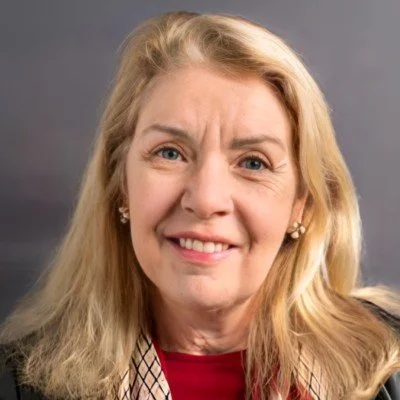
Susan Hackwood, PhD
Moderator, Science To Policy DirectorBringing vision and experience grounded in building science policy infrastructure. She contributed to the development of the California Council on Science and Technology and helped bring the Science to Policy program to UC Riverside, advancing efforts to connect research with policy and practice.

Frances Saldaña
President Emerita, HD-CAREFounding Huntington's Disease Community Advocacy, Research & Education (HD-CARE) to educate the public about this devastating neurological and fatal genetic disease, support research and clinical practice. She serves on the UCI Human Stem Cell Oversight Committee and as an Ambassador with Americans for Cures, the organization that in 2004 authored the California $3.5 billion bond created to accelerate world class science with the goal of delivering transformative regenerative medicine treatments. The bond passed and became known as The California Institute for Regenerative Medicine (CIRM).
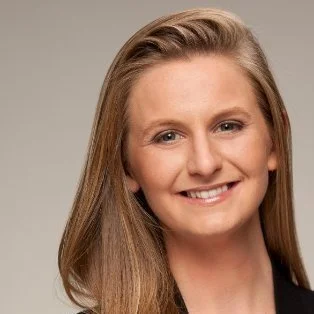
Julianne McCall, PhD
CEO, CCSTA science policy leader with experience in bridging research and decision-making.
Currently, she is the Chief Executive Officer of the California Council on Science and Technology. In that role, she advances efforts to connect scientific expertise with policymakers across California. Her work focuses on building partnerships across government, academia, and industry to ensure research informs policy and serves the public good.
Panel Discussion: Policy Advocacy for Responsive Health Systems
11:00 - 12:00
Moderator: Jacob O’Connor, Legislative Coordinator, WA Department of Health
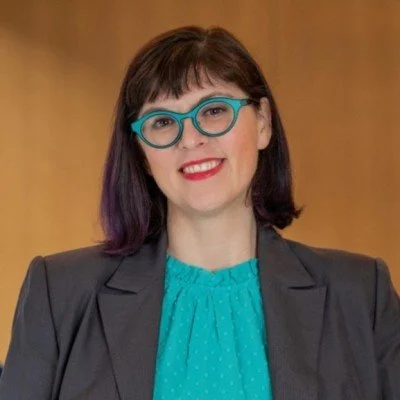
Dharia McGrew, PhD
Senior Director, State Policy, PhRMAA senior health policy professional with expertise in legislative process and scientific research. Currently, she is the Senior Director of State Policy at the Pharmaceutical Research and Manufacturers of America (PhRMA). In that role she has worked on the implementation of Prescription Drug Affordability Boards. She spent over a decade as a laboratory scientist, focusing on genetics, vision disease, and cancer biology.
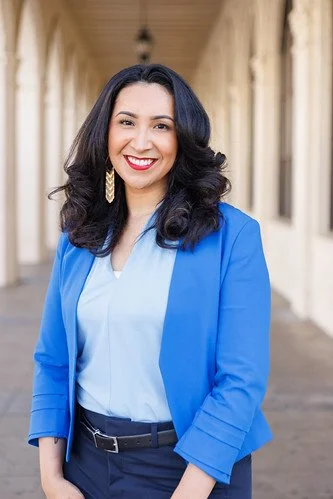
Councilmember Cervantes
Riverside City Councilmember, Ward 2A community-focused public servant dedicated to advancing health, access, and opportunity. She serves as Councilmember for Riverside, where she works to expand services for residents and improve overall quality of life. Her efforts focus on strengthening access to healthcare, community resources, and essential services that support healthy, thriving neighborhoods. Through her leadership, she is committed to building more connected, equitable, and resilient communities.
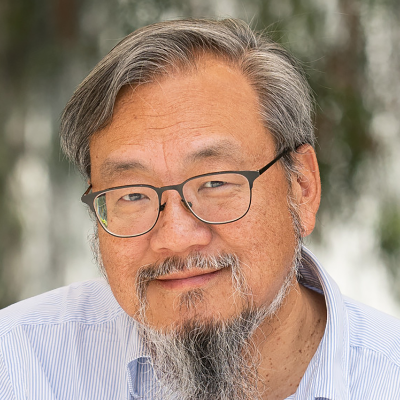
David Lo, MD, PhD
Distinguished Professor of Biomedical Sciences, Director, BREATHE LaboratoryA health and environmental research leader with expertise in immunology, health disparities, and environmental exposure.
Currently, he directs UC Riverside’s BREATHE Center and NIH-supported Center for Health Disparities Research. His work examines how environmental exposures, including dust and aerosols from the Salton Sea, may contribute to childhood asthma and other health burdens in underserved communities. He is also an AAAS Fellow and recipient of the Gates Foundation’s Grand Challenges in Global Health award.
Fireside Chat:
Green Energy
2:30 - 3:15
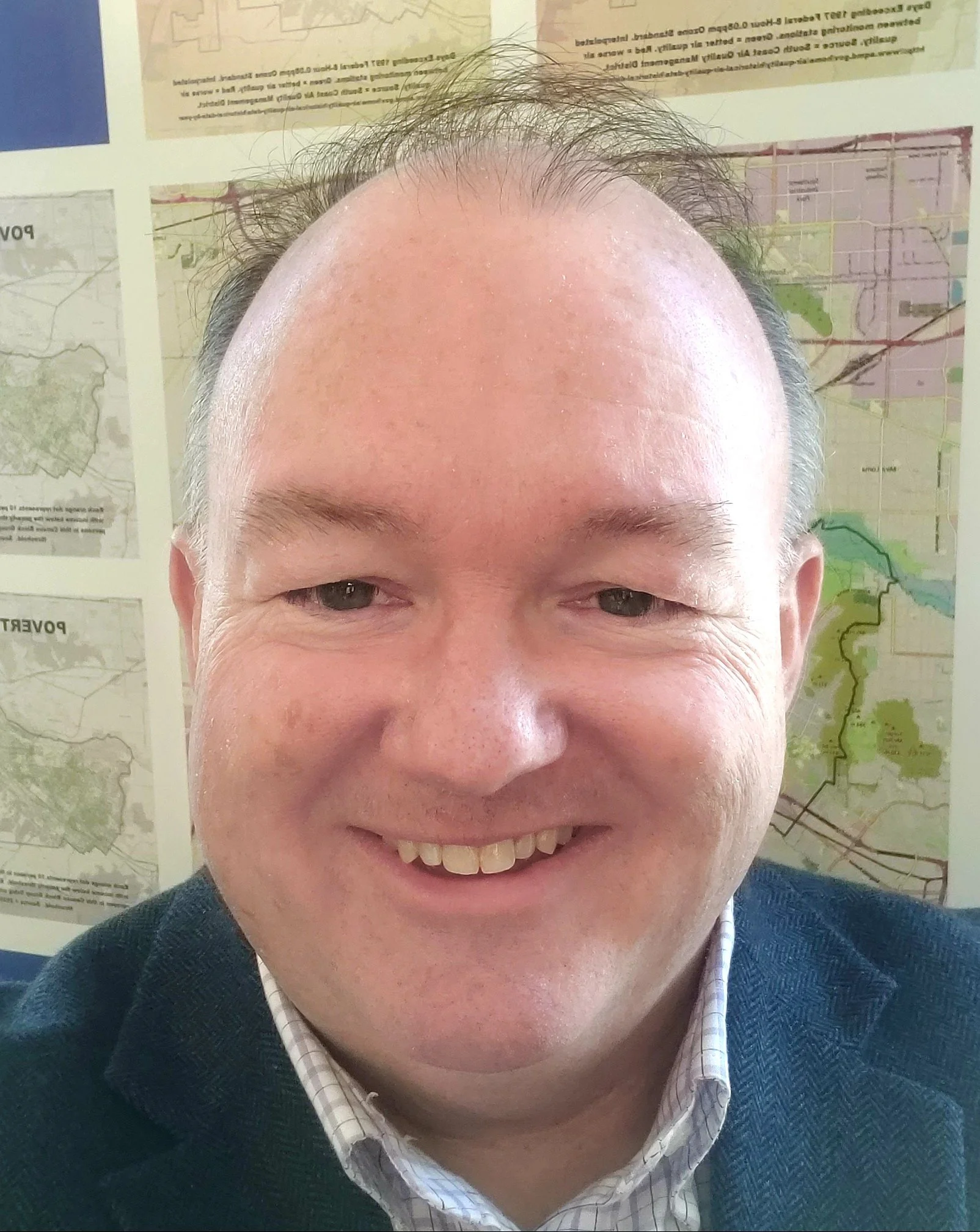
Dean Mark Long, PhD
Moderator, Dean UCR School of Public PolicyA public policy leader with experience in economic development and higher education. Currently, he serves as Dean of the School of Public Policy at University of California, Riverside. In that role, he advances research, teaching, and partnerships that connect policy with real-world impact, with a focus on economic growth, workforce development, and community engagement.

Miranda Evans
Interim Community and Economic Development Director, RiversideAn economic development leader with experience in city planning and public policy. She serves the Riverside community, where she advances strategic initiatives to attract investment and support key sectors including green technology, aerospace, and biotechnology. Her work focuses on driving sustainable growth and strengthening the city’s economic future.
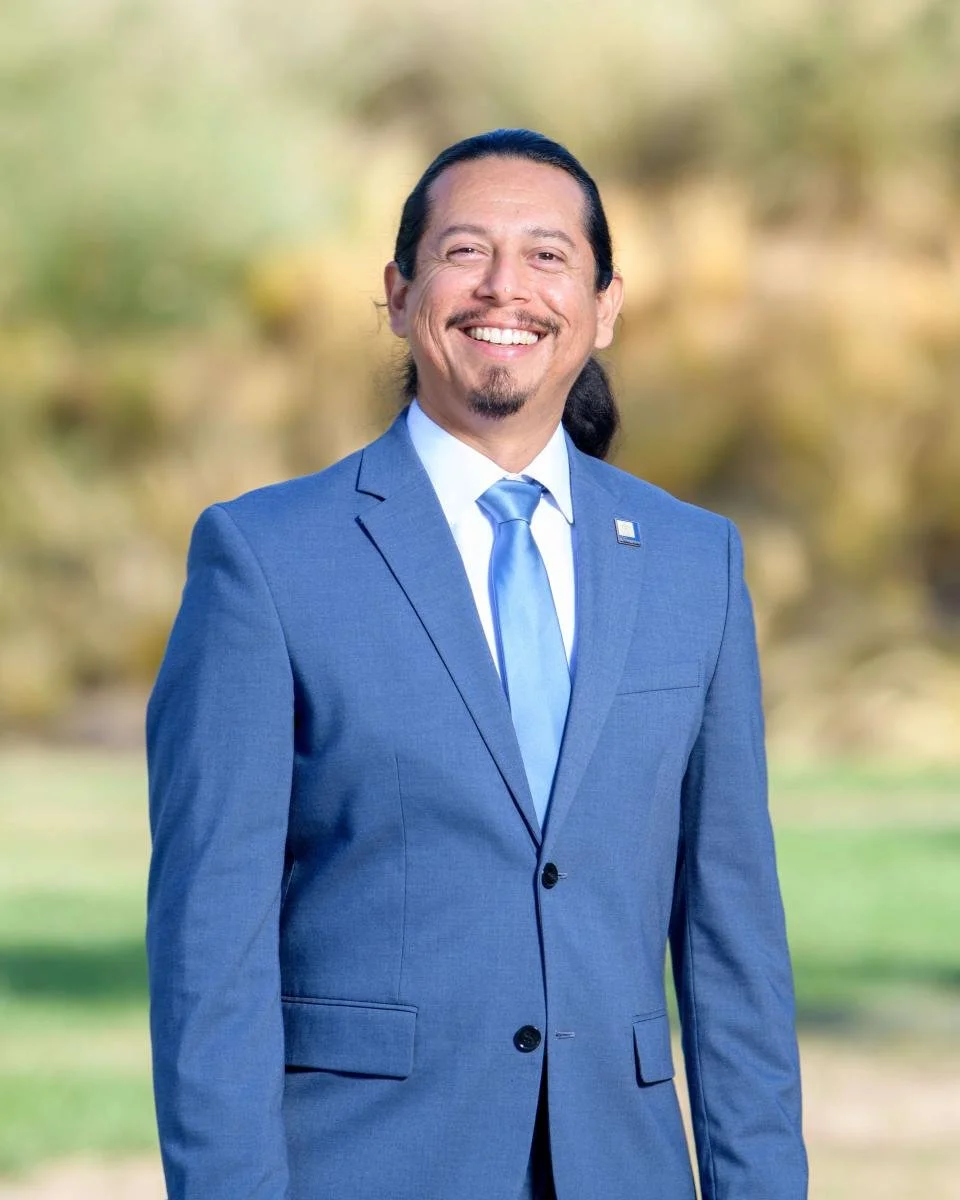
Fortino Morales III
Sustainability Manager, RiversideA sustainability leader with experience in environmental policy and community-based initiatives. He serves as Sustainability Manager for the Riverside, where he advances strategies to support environmental stewardship and sustainable growth. His work focuses on implementing local sustainability initiatives and building community partnerships that connect environmental goals with practical action.
Panel Discussion:
Trinational Cooperation
3:30 - 5:00
Moderator: Aaron Melaas, Associate Director for Research & Innovation,University of California Alianza MX
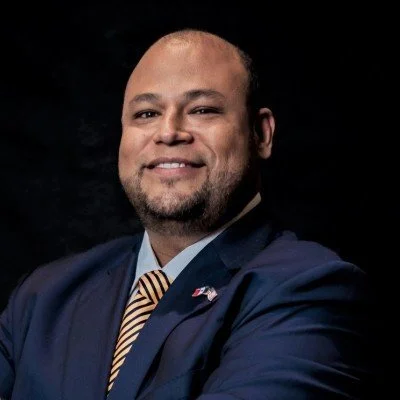
Eugenio Marín
CEO, FUMECA technology and innovation leader with experience in international business development and advanced industries. Currently, he serves as CEO of the US-Mexico Foundation for Science (FUMEC), where he strengthens cross-border partnerships and supports economic development through technology-based initiatives. His work spans sectors including aerospace, semiconductors, advanced manufacturing, and health technologies, with a focus on driving innovation and regional growth.
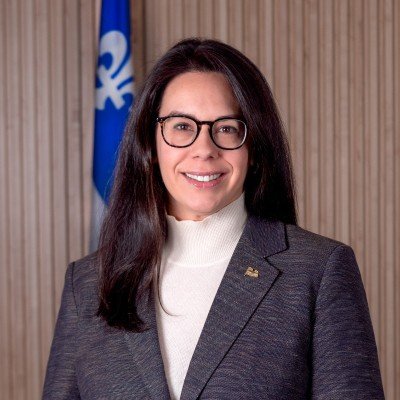
Anne-Catherine Briand-Fortin
Delegate of Québec in Los AngelesA senior government relations and public affairs professional with over 15 years of experience in diplomacy, legislative affairs, and stakeholder engagement. Currently, she serves as Delegate of the Government of Québec in Los Angeles, where she leads efforts to strengthen partnerships in economic development, innovation, and cultural exchange. Her work focuses on advancing Québec’s strategic interests by building relationships across government, industry, and community partners.
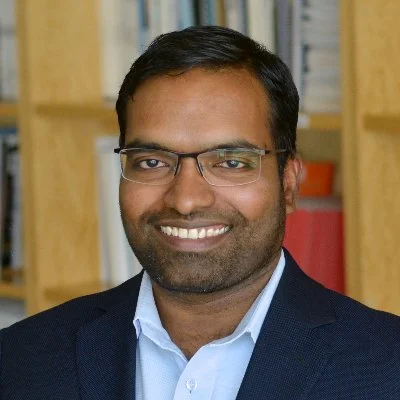
Arun Raju, PhD
Associate Research Engineer, Associate Director-Operations, UC RiversideA research and policy leader with expertise in sustainable energy systems and environmental technology. Currently, he serves as Associate Director of Operations at the Center for Environmental Research and Technology (CE-CERT) at UC Riverside, where he also leads the Sustainable Fuels Initiative. His work focuses on advancing solutions in hydrogen, renewable natural gas, and biomass, along with energy systems analysis, electrification, and life cycle assessment to support a more sustainable energy future.
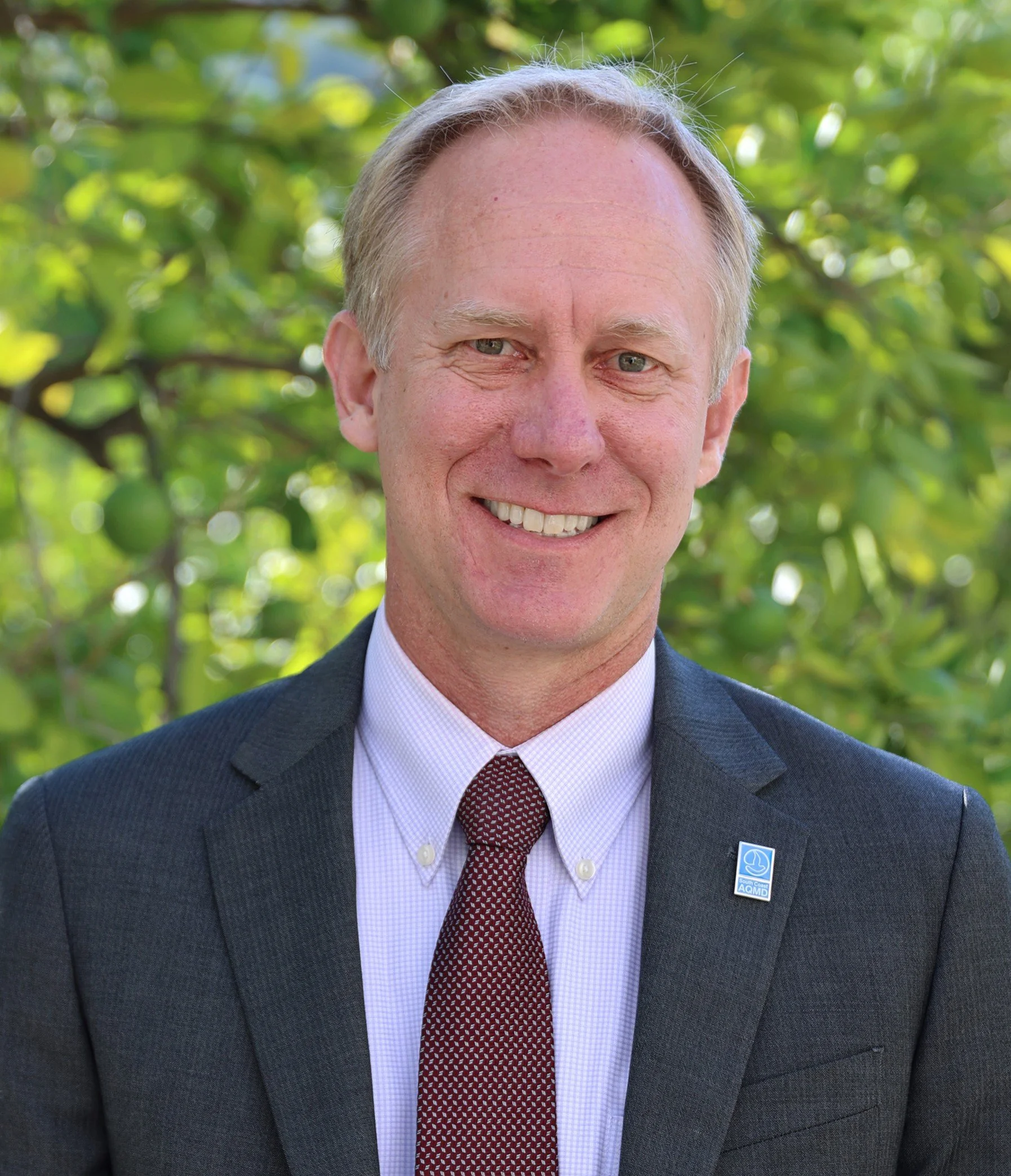
Aaron Katzenstein, PhD
Deputy Executive Officer of the Technology Advancement Office, South Coast Air Quality Management DistrictAn air quality and clean technology leader with expertise in atmospheric chemistry and environmental policy. He serves as Deputy Executive Officer of the Technology Advancement Office at South Coast AQMD, where he oversees mobile source incentive programs and supports the development and commercialization of clean air technologies. His work focuses on reducing pollution, strengthening clean transportation systems, and accelerating innovations that support healthier communities and a more sustainable future.
Science for Policy
Workshop Agenda: May 16, 2026
Student Success Center 121 (MPR 3)
-
Enjoy a light breakfast before joining the workshop.
-
This interactive workshop introduces participants to real-world policymaking by engaging in an intellectually stimulating, team-based simulation. Using a custom-designed policy scenario, participants will begin to navigate oppositional challenges and develop policy recommendations in response to evolving political, scientific, and stakeholder dynamics.
-
Stay for lunch and connect with fellow attendees, facilitators, and partners. Build relationships, share ideas, and continue the conversation.